Gypsum Dunes: the best time to go and how to get there
White dunes in the Coahuila desert, about a four-hour ride from Monterrey. Pick the right season and hour, dress for hot sand and let someone else drive.

Sand that is really a mineral
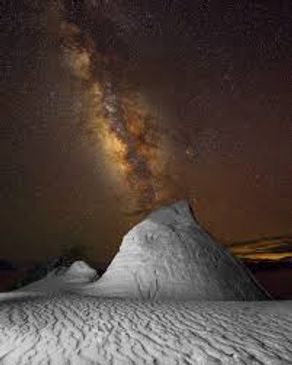
What looks like snow in the desert is pure gypsum (selenite), the mineral behind construction plaster. It crystallized over millions of years as an inland sea evaporated, leaving 800 hectares of white sand that is bright enough to need sunglasses, crunches differently underfoot and glows amber at sunset.
Only three places on the planet hold this kind of gypsum dune ecosystem: White Sands in New Mexico, a smaller system in Iran, and Cuatro Ciénegas. There are no big parking lots or souvenir stands here, just wind, silence and dunes up to 25 meters high.

When to go, season and hour
Go between October and May. In summer, avoid midday, because the heat is extreme and the sand holds it. The late-afternoon window is the sweet spot: the light softens, the shadows stretch and the sand turns gold.
Long shadows
Raking light carves dramatic shadows across the dunes, with a white-and-gold contrast you rarely see.
Clean blue sky
Earlier in the afternoon the blue sky contrasts sharply with the white sand.
Human scale
Put a person on a crest for scale; without one, the eye cannot judge the size of the dunes.
Bring an ND or polarizing filter. White sand reflects so much light that unprotected shots blow out.
Getting there in a van with driver
The dunes are in the Cuatro Ciénegas valley, 320 km from Monterrey (3.5–4 hours by federal highway; about 345 km from Monterrey airport and 265 km from Saltillo). A private van with a driver picks you up at your door or the airport, and you arrive rested for the late-afternoon light instead of tired from the wheel.
Because you decide the day and the departure time, timing the dunes for golden hour is easy. Entrance fees and any local guide are paid on site; we handle only the transfer, round trip or one way.
What to bring
- Closed shoes (the sand gets very hot)
- High-protection sunglasses
- SPF 50+ sunscreen
- Plenty of water (at least 2 L)
- Camera or phone with panoramic mode
- Light clothing and a cap or hat
Good to know
- Entrance is paid on site
- Panoramic viewpoints are reachable on foot
- Geology talks come from local guides
- Expect a walk on loose sand